

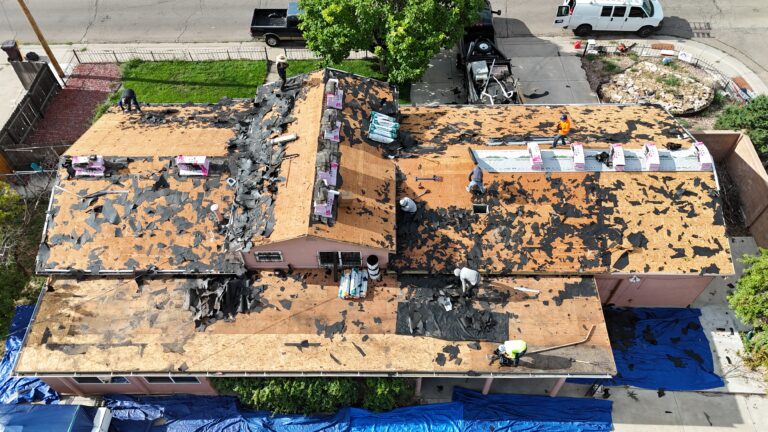
How Do I Know If My Roof Is Damaged?
Living in Pueblo means your roof is exposed to some of the most unpredictable weather in Southern Colorado. From hailstorms rolling in along the I-25 corridor, to heavy snow and ice near Pueblo Reservoir, local roofs take a beating year-round. If you are thinking about getting a roof replacement and you’ve ever wondered, “How do I know if my roof is damaged?”, you’re not alone. Roof damage isn’t always obvious, and many Pueblo homeowners don’t realize there’s an issue until leaks or interior damage appear weeks or even months after a storm.
This guide explains the most common signs of roof damage and how Southern Colorado weather plays a major role.
Common Signs Your Roof May Be Damaged
Some roof damage is easy to spot, while other issues develop slowly over time. Watch for these warning signs:
- Missing, cracked, or curling shingles
- Bald spots where shingle granules are missing
- Dark stains or water spots on ceilings
- Sagging areas on the roof
- Granules collecting in gutters or downspouts
- Mold or moisture in the attic
- Unexplained increases in heating or cooling bills
Even one of these signs can indicate underlying roof damage that shouldn’t be ignored.
How Pueblo’s Location and Weather Impact Roof Damage
Roof damage in Pueblo often looks different than in other parts of Colorado due to elevation, wind patterns, and temperature swings.
- Homes near the Historic Arkansas Riverwalk frequently experience strong winds and sudden temperature changes
- Properties closer to Lake Pueblo State Park may see heavier snow accumulation and ice buildup
- Neighborhoods along Fountain Creek can experience moisture-related roofing issues after storms
- Areas west toward Pueblo West are especially prone to hail and high winds
Because of these factors, roof inspections in Southern Colorado are critical even when damage isn’t visible from the ground.
Signs of Hail Damage on a Roof
Hail is one of the most common causes of roof damage in Pueblo County. Even small hailstones can bruise shingles and shorten your roof’s lifespan. Look for:
- Dented or bruised shingles
- Granule loss exposing the asphalt underneath
- Cracks or fractures in shingles
- Dents in vents, flashing, skylights, or gutters
In areas near Greenhorn Valley and west of Pueblo, hailstorms often form quickly and cause damage that isn’t immediately visible.
Wind Damage You Might Not Notice Right Away
Strong Southern Colorado winds can lift shingles just enough to break their seal without tearing them off completely. Wind damage often includes:
- Lifted or flapping shingle edges
- Exposed nail heads
- Loosened flashing around chimneys and roof vents
Over time, this allows water to penetrate the roofing system, leading to leaks and wood rot.
Snow and Ice Damage During Pueblo Winters
Snow and ice can be just as damaging as hail, especially during freeze-thaw cycles common in Pueblo winters. Signs of snow or ice damage include:
- Ice dams forming along roof edges
- Water stains appearing after snow melts
- Peeling paint near ceilings or walls
- Moisture, frost, or mold in the attic
Ice dams trap melting snow, forcing water underneath shingles and into the home.
Can Sun and Heat Damage a Roof?
Yes. Pueblo’s intense sun and temperature swings can cause long-term roof deterioration. Heat and UV exposure may lead to:
- Shingles drying out and cracking
- Premature aging of roofing materials
- Curling or blistering shingles
This type of damage builds slowly but weakens your roof’s ability to withstand future storms.
Interior Signs of Roof Damage
Sometimes the clearest warning signs of roof damage show up inside your home:
- Yellow or brown ceiling stains
- Bubbling or peeling paint
- Musty odors
- Drips or slow leaks after storms
- Daylight visible through attic boards
Interior damage usually means water has already entered the roofing system and should be addressed quickly.
Roof Damage vs. Normal Wear and Tear
Not all roof issues require replacement. The difference often depends on:
- The age of the roof
- The extent and location of the damage
- Whether the damage was caused by hail, wind, snow, or ice
A professional inspection can help determine whether a repair is sufficient or if replacement is the better long-term option.
When Should You Get a Roof Inspection in Pueblo?
You should schedule a roof inspection if:
- Your area experienced hail, wind, snow, or ice storms
- Your roof is 10 years old or older
- You notice any warning signs listed above
- You’re buying or selling a home
Homeowners near Downtown Pueblo, Pueblo West, and surrounding Southern Colorado communities often benefit from inspections even when no damage is obvious.
What to Do If You Think Your Roof Is Damaged
If you suspect roof damage:
- Perform a visual inspection from the ground
- Check ceilings and attic spaces for moisture
- Avoid climbing on the roof yourself
- Schedule a professional roof inspection
A licensed roofing professional can safely assess damage and help you understand repair or replacement options, including insurance considerations.
Final Thoughts
Southern Colorado weather is tough on roofs, and damage isn’t always visible right away. If something feels off, trusting your instincts and contacting the Patriot Roofing team to get a professional inspection can help prevent small issues from turning into costly repairs.
Knowing how to tell if your roof is damaged is the first step toward protecting your home year-round.